A delayed first freeze is stretching parasite and allergy season across the U.S. Here's what that means for your dog.
A new analysis from Climate Central shows the first fall freeze is arriving later than it did five decades ago.i For dogs, that can mean more weeks of allergic itching and licking, and more weeks of exposure to ticks. The takeaway for pet owners is simple: don't let the calendar decide when you are keeping your pets on parasite or allergy control.
The first freeze is arriving later
Climate Central analyzed daily temperature records from 1970 to 2025 for 202 U.S. cities. In 88% of them, the freeze-free stretch of fall has lengthened, by 11 days on average. About one-third of the cities now have a freeze-free fall at least two weeks longer than in the early 1970s.i
Some of the hardest-hit cities gained more than three weeks including:
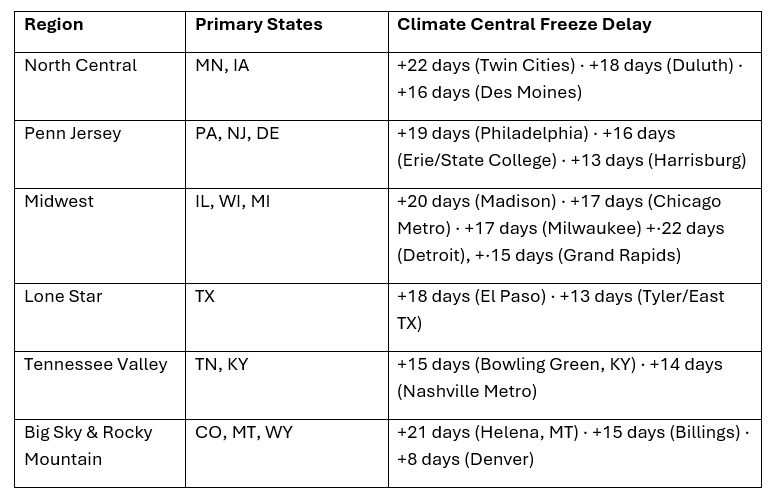
The shift isn't limited to one part of the country. Cities in every U.S. climate region saw their fall seasons lengthen, with the Northwest seeing the largest regional gain at 14 days on average.
That extra time matters because a hard freeze is what shuts down ragweed, one of the biggest fall allergy triggers. A single ragweed plant can release up to a billion pollen grains, and the length of ragweed season is closely tied to the number of days before the first frost.
A longer season for itchy dogs
People aren't the only ones who feel it when pollen sticks around. Dogs with environmental allergies often react to the same pollens and molds, but their symptoms tend to show up in their skin rather than as sneezing. Itch is wide spread: Elanco's America's Itchy Dogs Report found that nearly 9 in 10 U.S. dogs are “itchy dogs”, having experienced itchiness at some point during the year and 94% of veterinarians believe that dog owners do not realize how much discomfort their dog is in when they scratch themselves.ii
Common signs of canine allergic itch include:
- Persistent scratching, licking, chewing or biting at the coat and skin
- Red, irritated skin, hair loss or hot spots
- Sore, inflamed paws, and/or constant paw licking
Chronic itch takes a toll on the whole household. It can disrupt sleep for pets and their families, and constant scratching can break the skin and lead to further problems. With more freeze-free days, symptoms that once eased by October may now linger well into November.
Ticks don't clock out when summer ends
Mild fall weather keeps ticks going, too. Ticks can be active at temperatures as low as 35 degreesiii, so a chilly morning or a brief cold snap doesn't mean the risk has passed. In fact, CDC data typically shows a second peak in emergency department visits for tick bites in October and November.
Dogs feel that risk as well. One study of tick photos submitted from companion animals found that 28.5% came in autumn and another 35.2% in winter.iv Ticks can carry diseases that affect both dogs and humans, so it‘s important to stay vigilant during cooler temperatures. For pet owners, these changes drive the need to keep their dogs on consistent, year-round parasite control rather than a seasonal start-and-stop approach.
How to help your dog this fall
- Stay on parasite control year-round. Don't pause coverage just because temperatures drop. Many pet owners may choose a 6-month prescription, so it’s important to renew prescriptions before the start of the new year if they are expiring.
- Do regular tick checks. After walks, hikes or time in tall grass and leaf piles, check your dog's ears, neck, armpits and between the toes.
- Wipe down after outdoor time. A quick wipe of paws and coat can help remove pollen before it settles in.
- Keep notes on itching. Track when scratching, licking or chewing starts and how often it happens, so you can share the pattern with your veterinarian.
- Talk to your veterinarian. If itching persists or skin looks red, raw or irritated, your veterinarian can help identify the cause and recommend options for relief and prevention.
For the animal health industry, this is an important reminder of why education, protection and innovation matter year-round. At Elanco, we believe that making life better for animals includes anticipating needs and creating solutions for pet owners and veterinarians.
i Climate Central. (2026, September 23). Warmer fall, later freeze, longer allergy season. https://www.climatecentral.org/climate-matters/fall-allergy-season
ii Elanco Animal Health. Data on File. REF-28442
iii Clark DD. Lower temperature limits for activity of several Ixodid ticks (Acari: Ixodidae): effects of body size and rate of temperature change. J Med Entomol. 1995;32(4):449-52.
iv Kopsco HL, Duhaime RJ, Mather TN. An analysis of companion animal tick encounters as revealed by photograph-based crowdsourced data. Vet Med Sci. 2021 Nov;7(6):2198-2208. doi: 10.1002/vms3.586. Epub 2021 Aug 20. PMID: 34414695; PMCID: PMC8604111.